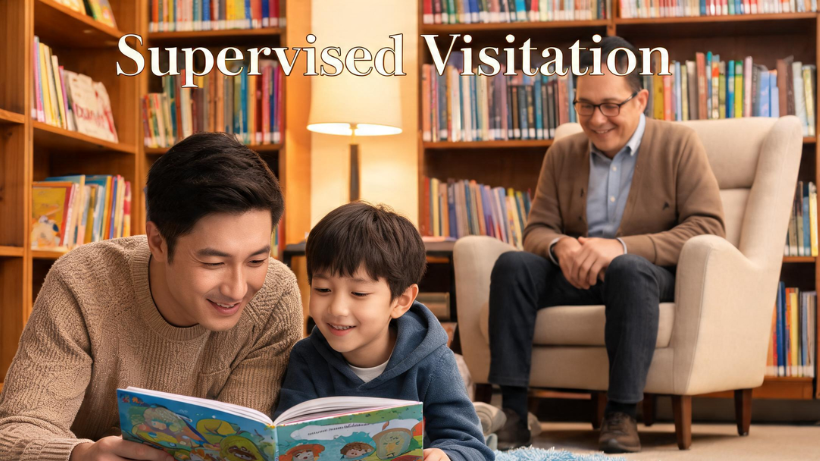
Supervised visitation is a legal arrangement designed to protect children’s safety and well-being while maintaining their relationship with a non-custodial parent. It is commonly used in family law cases where concerns such as abuse, neglect, substance misuse, or emotional instability may put the child at risk.
Under this system, visits take place in the presence of a responsible adult or trained professional who ensures that interactions remain safe and appropriate. This visitation not only serves as a protective measure but also allows parents to rebuild trust, demonstrate responsible behavior, and maintain emotional bonds with their children. By focusing on the child’s best interests, this approach provides a structured, balanced way to handle sensitive custody matters.
| Aspect | Description |
| Definition | Parent-child visits under supervision. |
| Purpose | Ensure safety and maintain bond. |
| When Ordered | Risk of harm or parental issues. |
| Types | Professional, non-professional, therapeutic, group. |
| Supervisor Role | Monitor, ensure safety, report behavior. |
| Legal Framework | Based on the child’s best interests. |
| Court Orders Include | Time, place, frequency, supervision type. |
| Rules & Guidelines | Follow schedule and behave appropriately. |
| Prohibited Actions | Abuse, aggression, inappropriate conduct. |
| Restrictions | No unauthorized persons or items. |
| Benefits | Protection, bonding, progress tracking. |
| Outcome/Goal | Possible shift to unsupervised visits. |
What Is Supervised Visitation?
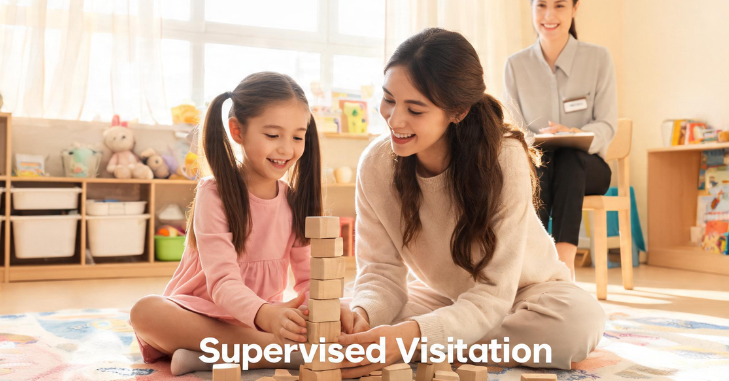
Supervised visitation is a legal arrangement in which a non-custodial parent may spend time with their child only in the presence of another responsible adult or a professional supervisor. This supervision ensures that the interaction remains safe, appropriate, and beneficial for the child.
The supervisor may be a trained professional, a social worker, a counselor, or, in some cases, a trusted family member approved by the court. The setting for supervised visits can vary, including designated visitation centers, public places, or even the child’s home, depending on the circumstances.
This type of visitation is not meant to punish the parent but rather to create a safe environment where the child can maintain a relationship with them. It acts as a protective measure while addressing any concerns raised by the court or other authorities.
Purpose
- The primary purpose of visitation is to ensure the child’s safety and well-being.
- Courts order visitation when there are concerns that unsupervised contact may be harmful or risky.
- These concerns may include physical abuse, emotional harm, neglect, or exposure to inappropriate behavior.
- Another important purpose is to preserve the parent-child relationship despite existing risks.
- Completely cutting off contact can have long-term psychological effects on both the child and the parent.
- Supervised visitation allows continued bonding while minimizing potential dangers.
- It also provides parents with an opportunity to demonstrate responsible and appropriate behavior.
- Over time, if improvement is shown, courts may modify the arrangement and allow unsupervised visits.
- Additionally, visitation helps in documenting interactions between the parent and child.
- Supervisors often provide reports to the court to assess parental behavior.
- These reports are used to make informed decisions about future custody and visitation arrangements.
When Is Supervised Visitation Ordered?
Courts typically order supervised visitation in situations where there are serious concerns about the child’s safety or the parent’s ability to provide proper care. One common reason is a history of domestic violence or abuse. If a parent has been abusive toward the child or the other parent, supervision ensures that such behavior does not occur during visits. Substance abuse is another major factor.
Parents struggling with drug or alcohol addiction may not be able to provide a safe environment for the child. Supervision ensures the child’s protection while the parent seeks treatment. Mental health issues can also lead to supervised visitation.
If a parent has a condition that affects their judgment or behavior, supervision helps maintain stability during interactions. In some cases, this visitation is ordered when a parent has been absent from the child’s life for a long period. It allows the relationship to be gradually reintroduced in a safe, structured manner.
Types
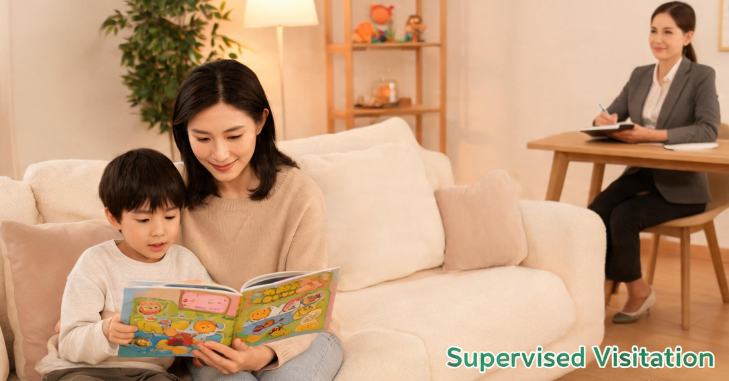
There are several types of supervised visitation, each designed to meet different needs and circumstances.
Professional Visitation
This involves trained professionals, such as social workers or counselors, who monitor the interaction between the parent and the child. These visits usually take place in specialized centers equipped with toys, games, and a child-friendly environment. Professional supervisors are neutral and provide detailed reports to the court.
Non-Professional Visitation
In some cases, a trusted family member or friend may act as the supervisor. This arrangement is less formal but still requires court approval. The chosen individual must be responsible, unbiased, and capable of ensuring the child’s safety.
Therapeutic Visitation
This type involves a licensed therapist or counselor who supervises the visits and provides guidance and support. It is often used in cases where there is emotional trauma or strained relationships. The goal is not only supervision but also healing and improvement of the parent-child relationship.
Group Supervised Visitation
Sometimes, multiple families participate in these visitation sessions at a center. This setup can be less intimidating and more natural for children, as they can interact with others in a similar situation.
Role of the Supervisor
The supervisor plays a crucial role in ensuring the success of visitation. Their primary responsibility is to monitor interactions and ensure the child remains safe at all times. They observe the behavior of both the parent and the child, ensuring that communication is appropriate and respectful. Supervisors may intervene if they notice any harmful or inappropriate behavior.
They are trained to handle conflicts and maintain a calm environment. In professional settings, supervisors also document the visits, noting any concerns, improvements, or incidents. In therapeutic settings, supervisors may provide feedback and guidance to help parents improve their parenting skills.
They may suggest ways to communicate more effectively with the child or to manage emotions more effectively. The supervisor must remain neutral and unbiased. Their role is not to judge but to ensure safety and provide accurate observations for the court.
Legal Framework

- Supervised visitation is governed by family law and is focused on the child’s best interests.
- Courts order it based on evidence presented during custody hearings.
- Judges consider factors like the child’s age, emotional needs, and history of abuse or neglect.
- They may also review reports from social workers, psychologists, and other professionals.
- Court orders specify details such as duration, location, frequency, and type of supervision.
- Violating these orders can result in fines or loss of visitation rights.
- Supervised visitation centers are regulated for safety and professionalism.
- These centers follow strict guidelines for supervision, documentation, and reporting.
Rules and Guidelines During Visitation
General Rules and Scheduling
Supervised visitation comes with strict rules to ensure a safe and structured environment. Parents are usually required to arrive on time and to follow the court-ordered schedule. Any delays or cancellations must be communicated in advance.
Appropriate Behavior During Visits
During the visit, parents must behave appropriately and avoid discussing sensitive issues such as legal disputes or conflicts with the other parent. They are expected to focus on building a positive relationship with the child.
Prohibited Behavior
Physical discipline, aggressive behavior, or inappropriate language is strictly prohibited. Supervisors have the authority to end the visit if any rules are violated.
Restrictions on People and Items
In many cases, parents are not allowed to bring unauthorized individuals to the visit. Gifts, food, or activities may also require supervisor approval.
Benefits
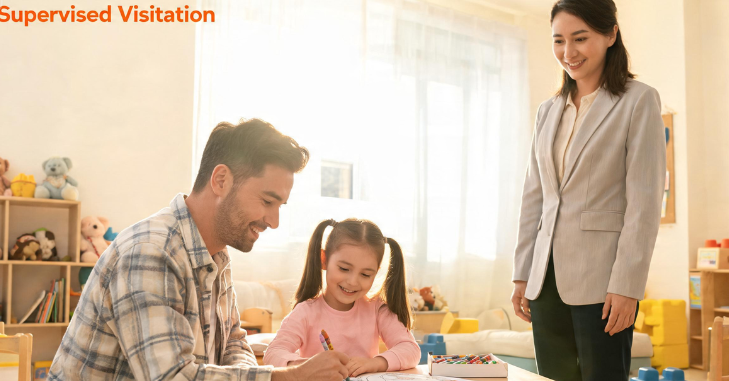
Supervised visitation offers several benefits, particularly in high-conflict or high-risk situations. The most important benefit is protecting the child. It ensures that the child is not exposed to harm while maintaining a connection with the parent. It also provides reassurance to the custodial parent, knowing that the child is in a safe environment during visits.
This can reduce conflict and promote cooperation between parents. For the visiting parent, this visitation offers an opportunity to rebuild trust and demonstrate positive behavior. Over time, it can lead to improved relationships and more flexible visitation arrangements. Additionally, this visitation provides valuable documentation that can help courts make informed decisions about future custody and visitation.
Conclusion
Supervised visitation is a crucial tool in family law that balances the need for child safety with the importance of maintaining parent-child relationships. While it may come with challenges, its benefits in protecting children and promoting healthy interactions are significant.
By understanding the purpose, types, and legal framework of visitation, parents and guardians can better navigate this complex process. With time, patience, and cooperation, visitation can lead to improved relationships and more stable family dynamics.
Want to know about Estate Planning Services: A Complete Guide to Protecting Your Assets, Minimizing Taxes, and Securing Your Family’s Financial Future Check out our Family Law category.
FAQs
Supervised visitation is when a parent spends time with their child, with a neutral third person (a provider) present to observe and listen during the visit. There are a number of reasons a judge might require supervision.
There’s no automatic right to 50/50 shared custody. Courts decide based on the child’s best interests. However, shared care arrangements are increasingly common where they work for the child.
Some parents have gotten into custody battles because one parent wants to protect the kids from the other. If the custody battle is out of concern for the children, the parent seeking sole or primary custody needs evidence. Medical records could reflect a history of substance abuse or violence.
Property or other assets acquired before marriage can be off-limits in a divorce. For example, if you had built a valuable coin collection before entering into your vows, our legal team can argue that these items are premarital property and therefore not subject to division.