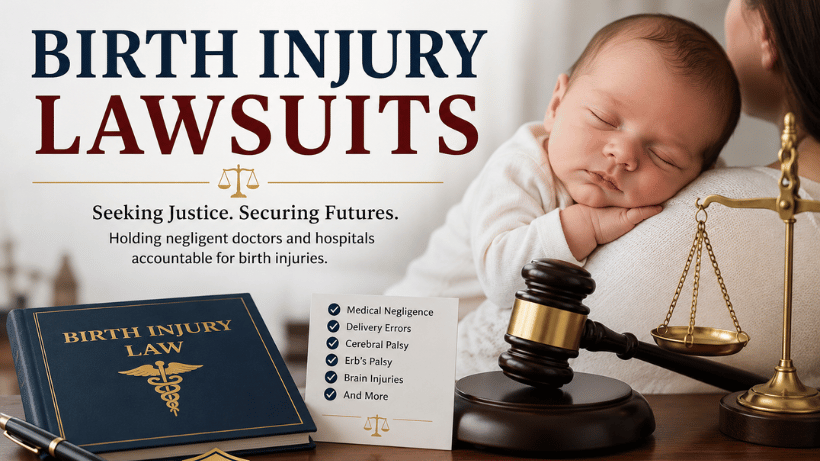
Birth injury lawsuits are a critical area of medical malpractice law that address harm suffered by a newborn during pregnancy, labor, or delivery due to preventable medical errors. These cases are especially sensitive because they involve not only the health and future of a child but also the accountability of healthcare professionals entrusted with life-saving care.
When medical providers fail to meet the accepted standard of care, the consequences can be lifelong, affecting both the child and the family emotionally, physically, and financially. Understanding the nature of birth injury claims helps families recognize potential negligence, identify causes of injury, and explore their legal rights to seek justice and compensation. We cover this in more depth in living will attorney.
| Section | Key Points |
| What Is a Birth Injury Lawsuit? | A legal claim filed by parents when a child is injured due to medical malpractice. Focuses on preventable mistakes like delayed C-sections, poor monitoring, or delivery errors. |
| Common Causes | Oxygen deprivation, improper use of delivery tools, failure to monitor fetal distress, delayed C-section, and medication errors and untreated maternal infections. |
| Types of Injuries | Cerebral palsy, Erb’s palsy, brain damage, spinal cord injuries, skull fractures, developmental delays, seizure disorders, and facial paralysis. |
| Who Is Responsible? | OB-GYNs, nurses, hospitals, anesthesiologists, and healthcare centers may be held liable if negligence is proven. |
| How to Prove a Case | Must show duty of care, breach of duty, causation, and damages using medical records, expert testimony, and hospital documentation. |
| Compensation | Covers medical bills, surgeries, therapy, long-term care, special education, assistive devices, and future financial needs. |
| Time Limits | Lawsuits must be filed within the statute of limitations; it may vary by region and may be extended in cases involving minors or delayed discovery. |
| Why Cases Are Complex | Require strong medical evidence and expert analysis and face strong defense from hospitals and insurers claiming natural or unavoidable causes. |
What Is a Birth Injury Lawsuit?

A birth injury lawsuit is a legal claim filed by parents or guardians on behalf of a child who has suffered injury before, during, or shortly after birth due to improper medical care. These lawsuits are typically based on medical malpractice, meaning a doctor, nurse, hospital, or healthcare provider failed to meet the accepted standard of care, resulting in harm.
Unlike natural birth complications, birth injury cases focus on preventable mistakes that occur when healthcare providers fail to follow the accepted standard of medical care. These errors may include delayed responses during fetal distress, improper use of delivery tools, failure to perform an emergency C-section on time, or inadequate monitoring during labor.
Common Causes of Birth Injuries
Oxygen Deprivation (Birth Asphyxia)
Oxygen deprivation, also known as birth asphyxia, is one of the most serious causes of birth injuries. It occurs when a baby does not receive enough oxygen before, during, or immediately after delivery. This can result in permanent conditions such as brain damage, cerebral palsy, or developmental delays.
Improper Use of Delivery Tools
Improper use of delivery tools such as forceps or vacuum extractors can also lead to severe birth injuries. When these instruments are not used correctly or are applied with excessive force, they may cause skull fractures, nerve damage, facial injuries, or even brain trauma.
Failure to Monitor Fetal Distress
During labor, doctors and medical staff are expected to monitor the baby’s heart rate and overall condition continuously. Failure to recognize or respond to signs of fetal distress can lead to life-threatening complications. If warning signals such as abnormal heart rates, reduced oxygen levels, or prolonged labor are ignored.
Delayed C-Section
A delayed cesarean section (C-section) is a serious medical issue that can occur when an emergency surgical delivery is not performed in time. In critical situations such as fetal distress, prolonged labor, or umbilical cord complications, a fast C-section may be necessary to protect the health of both the mother and the baby.
Types of Birth Injuries Covered in Lawsuits

Birth injury claims may involve a wide range of conditions, including:
- Cerebral palsy
- Erb’s palsy (nerve damage in the shoulder/arm)
- Brain damage due to oxygen loss
- Spinal cord injuries
- Skull fractures
- Developmental delays
- Seizure disorders
- Facial paralysis
Some injuries are temporary, while others can affect a child for life, requiring long-term care.
Who Can Be Held Responsible?
Several parties may be named in a birth injury lawsuit depending on the circumstances:
- Obstetricians (OB-GYNs)
- Nurses and delivery staff
- Hospitals or maternity wards
- Anesthesiologists
- Healthcare clinics or medical centers
If multiple parties contributed to the mistake, they may all share liability.
How to Prove a Birth Injury Case?
To successfully establish a birth injury lawsuit, it is necessary to prove that the healthcare provider’s negligence directly caused harm to the baby or mother. These cases rely on specific legal and medical elements that must all be clearly demonstrated with evidence.
Duty of Care
The first step is to show that the medical provider had a legal responsibility to care for both the mother and the baby. This duty is automatically established once a doctor, nurse, or hospital accepts the patient for treatment during pregnancy, labor, or delivery.
Breach of Duty
Next, it must be proven that the healthcare provider failed to meet the accepted standard of medical care. This means they acted in ways that a reasonably skilled professional would not, such as ignoring warning signs, making preventable errors, or failing to respond to emergencies.
Causation
It is not enough to show that a mistake was made—the evidence must also prove that this mistake directly caused the birth injury. This is often the most complex part of the case and typically requires strong medical analysis and expert opinions.
Damages
Finally, the injury must have resulted in measurable harm. This can include financial losses such as medical expenses, as well as physical disabilities, emotional distress, or long-term care needs for the child. Medical records, hospital reports, and expert medical testimony are usually essential in proving all of these elements and building a strong birth injury claim.
Compensation in Birth Injury Lawsuits

Families may seek compensation for both current and future needs of the child. This can include:
Medical Expenses
- Emergency care at birth
- Surgeries and hospital stays
- Ongoing treatments and therapy
Long-Term Care Costs
- Physical therapy
- Speech therapy
- Special education services
- Home care assistance
Rehabilitation and Assistive Devices
- Wheelchairs
- Mobility aids
- Adaptive equipment
In severe cases, compensation can amount to significant sums due to lifelong care needs.
Time Limits for Filing a Lawsuit
Every region has a legal deadline known as the statute of limitations, which sets the maximum time period within which a birth injury lawsuit must be filed. In many cases, parents are required to take legal action within a few years of the injury or its discovery. However, these time limits can vary depending on the jurisdiction and the specific circumstances of the case.
In situations involving minors, exceptions may apply, allowing the time limit to be extended until the child reaches a certain age or until the injury is reasonably identified. Because these rules differ widely and can significantly affect a family’s right to compensation, families need to seek legal advice as early as possible when they suspect medical negligence or a birth-related injury.
Why Birth Injury Cases Are Complex

Birth injury cases are often highly complex because they require detailed medical evidence, expert interpretation, and a clear connection between medical negligence and the injury. Unlike simple legal claims, these cases involve reviewing extensive medical records, labor and delivery reports, and sometimes even prenatal history to determine what went wrong.
Hospitals and insurance companies typically defend these cases aggressively, often arguing that natural complications, genetic conditions, or unavoidable risks during childbirth caused the injury. This makes it difficult for families to prove that negligence was the direct cause.
Conclusion
Birth injury lawsuits play an important role in protecting families and ensuring accountability within the healthcare system. While childbirth can naturally involve risks, many severe injuries occur due to avoidable mistakes such as delayed emergency responses, improper use of medical tools, or failure to monitor fetal distress. These cases require strong evidence, expert medical opinions, and a clear demonstration of negligence to succeed.
Although the legal process can be complex and challenging, pursuing a birth injury claim can provide essential financial support for long-term medical care, rehabilitation, and specialized treatment for the child. More importantly, it helps hold negligent parties responsible and encourages higher standards of care in medical practice, ultimately helping prevent similar tragedies in the future.
Want to know about Check out our Family Law category.
FAQs
A birth injury lawsuit is a legal claim filed by parents or guardians when a newborn suffers harm due to medical negligence during pregnancy, labor, or delivery. It focuses on preventable mistakes, such as delayed treatment, inadequate monitoring, or delivery errors, that lead to injury.
Medical negligence may be suspected if there were signs such as a delayed C-section, failure to respond to fetal distress, improper use of delivery tools, or unexplained complications after birth.
Families may receive compensation for medical expenses, long-term care, therapy, rehabilitation, assistive devices, and future financial needs of the child. In severe cases, compensation may also cover lifelong support and special education costs.
No, not all birth complications are caused by negligence. Some are natural or unavoidable. A valid lawsuit requires proof that the injury resulted from a healthcare provider’s failure to meet the accepted standard of care.