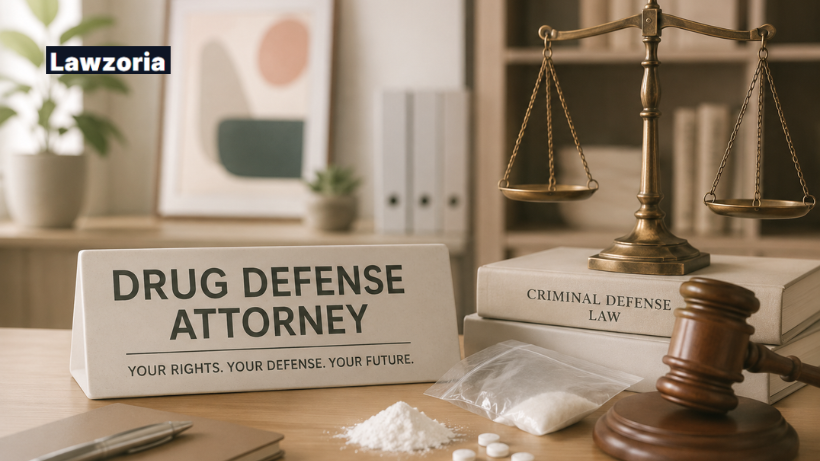
Drug-related criminal charges are among the most serious and life-altering accusations a person can face in the criminal justice system. These charges are not only legal issues but also personal crises that can affect a person’s freedom, career, education, immigration status, professional license, financial stability, and long-term reputation.
This is why the role of a drug defense attorney becomes absolutely critical from the very beginning of the legal process. Whether a case involves simple drug possession, alleged drug manufacturing, or large-scale drug trafficking, the penalties can be extremely harsh and may include long-term imprisonment, heavy fines, probation conditions, asset seizure, and a permanent criminal record that follows a person for years.
In many cases, drug charges are built on complex police investigations involving search warrants, undercover operations, surveillance, confidential informants, and forensic lab reports. A skilled attorney does far more than appear in court.
They actively protect constitutional rights, examine every detail of the arrest, challenge illegal searches, question unreliable evidence, and build a strong legal strategy designed to reduce or dismiss charges whenever possible. In high-stakes drug cases, having experienced legal representation can often be the difference between a conviction and a second chance at life.
Drug Defense Attorney: Key Facts and Legal Insights
| Topic | Details |
|---|---|
| Drug Defense Attorney | Defends drug crime cases. |
| Drug Possession | Illegal possession of drugs. |
| Drug Manufacturing | Producing controlled substances. |
| Drug Trafficking | Selling or distributing drugs. |
| Legal Consultation | Initial case discussion. |
| Case Evaluation | Review of case facts. |
| Constitutional Rights | Protection under the law. |
| Search Warrants | Review of police searches. |
| Evidence Analysis | Examination of evidence. |
| Motion to Suppress | Request to exclude evidence. |
| Plea Bargaining | Negotiating reduced charges. |
| Trial Defense | Representation in court. |
| First-Time Offenders | May qualify for programs. |
| Federal Charges | Cases under federal law. |
| State Charges | Cases under state law. |
| Sentencing Defense | Seeking lighter penalties. |
| Witness Testimony | Reviewing witness statements. |
| Informants | Challenging credibility. |
| Chain of Custody | Tracking evidence handling. |
| Criminal Record | Impact on future opportunities. |
| Alternative Sentencing | Probation or treatment options. |
| Case Dismissal | Possible charge removal. |
| Appeals | Challenging convictions. |
| Confidentiality | Protected attorney-client communication. |
| Future Protection | Safeguarding career and reputation. |
Understanding Drug Charges and Their Legal Impact
Drug laws vary by jurisdiction, but most legal systems classify drug crimes into three main categories: possession, manufacturing, and trafficking. Each carries different levels of severity.
- Drug possession refers to having illegal substances such as marijuana (in restricted regions), cocaine, heroin, or unauthorized prescription drugs. Even small amounts can lead to criminal charges, depending on intent and local laws.
- Drug manufacturing involves producing or preparing controlled substances. This includes growing plants like cannabis in illegal conditions or operating labs for synthetic drugs.
- Drug trafficking is one of the most severe drug-related crimes. It involves transporting, selling, or distributing illegal drugs across regions or borders.
Why is a Drug Defense Attorney Essential?
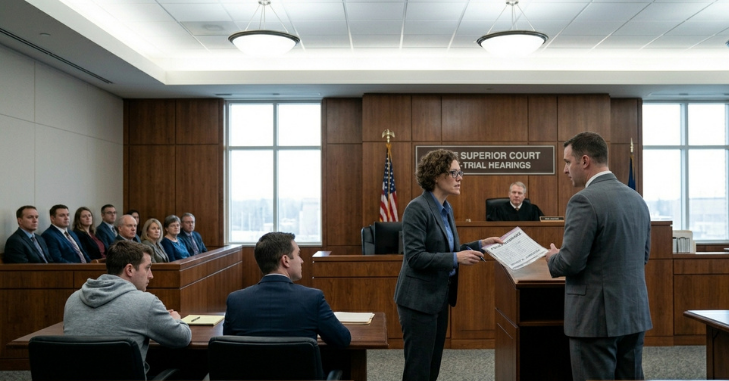
A drug defense attorney plays a critical role in protecting individuals accused of drug crimes. The legal system is complex, and prosecutors often have significant resources to build their case. Without professional legal representation, defendants may face unfair outcomes.
A defense attorney ensures that your constitutional rights are not violated. This includes protection against unlawful searches, improper arrest procedures, and the misuse of evidence. Many drug cases depend heavily on how evidence was collected, and even small mistakes can change the outcome of a case.
An attorney also helps interpret the law, explain charges in simple terms, and guide defendants through every stage of the legal process. This support reduces confusion and helps clients make informed decisions.
Challenging Evidence and Police Procedures

One of the most important responsibilities of an attorney is examining how evidence was obtained. In many drug cases, law enforcement relies on searches, seizures, surveillance, and informants.
If police conduct an illegal search without a proper warrant or probable cause, the evidence collected may be challenged in court. This legal principle is known as the exclusionary rule. A strong defense attorney can file motions to suppress such evidence, which can significantly weaken the prosecution’s case.
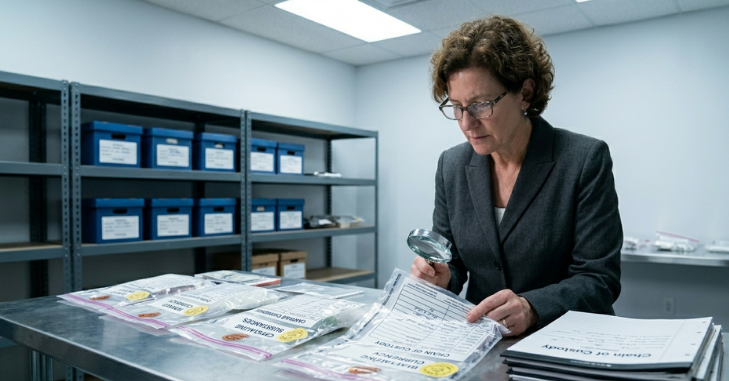
Additionally, attorneys review lab reports, chain-of-custody records, and witness statements. Even small inconsistencies in evidence handling can create reasonable doubt. This is especially important in drug manufacturing and trafficking cases, where evidence often involves multiple locations and people.
Building a Strong Defense Strategy

Every drug case is unique, and a good attorney builds a defense strategy based on specific facts. There is no single solution that works for all cases. Instead, defense lawyers analyze the situation carefully and choose the most effective approach.
For example, in possession cases, an attorney may argue a lack of knowledge or control over the substance. In some situations, drugs may be found in shared spaces or vehicles, making ownership unclear. In manufacturing cases, the defense may focus on lack of intent or insufficient evidence linking the accused to production activities.
Sometimes, equipment or chemicals may be present without proof of actual manufacturing. In trafficking cases, attorneys often challenge intent to distribute or question the credibility of informants. They may also argue that the accused was wrongly associated with a larger criminal network. A strong defense is built on facts, law, and careful analysis of every detail.
Negotiation and Plea Bargaining

Not all drug cases go to trial. In many situations, a drug defense attorney negotiates with prosecutors to reduce charges or penalties. This process is called plea bargaining. Through negotiation, an attorney may secure a reduced charge, a reduced sentence, or alternative sentencing options, such as rehabilitation programs, instead of jail time.
First-time offenders often benefit from these arrangements, especially when there is no violent criminal history. A skilled attorney understands how prosecutors think and uses legal arguments and evidence of weaknesses to negotiate favorable outcomes. This can significantly reduce the long-term consequences of a drug charge.
Protecting Constitutional Rights

Constitutional rights are at the center of every criminal defense case. A drug defense attorney ensures that these rights are respected throughout the investigation and trial process.
The Fourth Amendment safeguards individuals against unlawful searches and seizures by the government. The Fifth Amendment protects against self-incrimination, while the Sixth Amendment guarantees the right to a fair trial and legal representation.
If any of these rights are violated, a defense attorney can take legal action to suppress evidence or even dismiss charges. This protection is essential in drug cases, where police investigations may involve surveillance, undercover operations, or raids.
The Importance of Early Legal Representation
Timing is extremely important in drug-related cases. Hiring a drug defense attorney early can significantly improve the outcome of a case. Early legal intervention allows the attorney to gather evidence, interview witnesses, and identify weaknesses in the prosecution’s case before trial begins.
It also prevents defendants from making statements or decisions that could harm their defense. Many people make the mistake of waiting too long before contacting a lawyer. This delay can limit legal options and reduce the chances of a favorable outcome.
Drug Manufacturing and Trafficking: Higher Stakes Cases
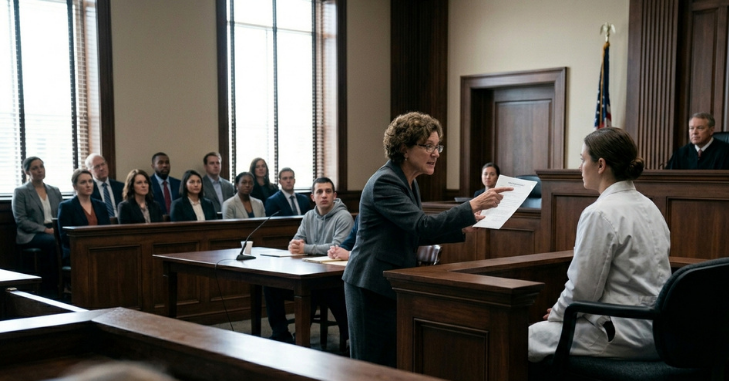
Manufacturing and trafficking charges are treated more seriously than simple possession. These cases often involve federal authorities, larger investigations, and more severe penalties. A drug defense attorney plays a crucial role in breaking down complex allegations in these cases.
They analyze financial records, communication data, surveillance footage, and other evidence used by prosecutors. In trafficking cases, proving intent is key. Defense attorneys often challenge whether the accused knowingly participated in drug distribution. Without clear intent, the prosecution’s case may weaken.
Emotional and Practical Support for Defendants
Facing drug charges can be overwhelming. Beyond legal defense, a drug defense attorney provides emotional guidance and practical support. They explain court procedures, possible outcomes, and legal options in simple language.
This support helps defendants stay informed and reduce anxiety during a stressful time. It also helps families understand what is happening and how to prepare for future steps.
Conclusion
The role of a drug defense attorney is critical in defending against drug possession, manufacturing, and trafficking charges. These legal professionals protect constitutional rights, challenge evidence, and build strong defense strategies tailored to each case.
Whether negotiating plea deals or fighting in court, an attorney works to minimize penalties and protect the accused’s future. In drug-related cases where the consequences are severe, having an experienced attorney is not just helpful; it can be life-changing. Choosing the right legal defense at the right time can make the difference between a conviction and a second chance at life.
Apart from that, if you want to know more, visit our Criminal Law category.
Frequently Asked Questions (FAQs)
A drug defense attorney represents individuals accused of drug-related crimes and works to protect their legal rights throughout the criminal process.
You should contact a defense attorney immediately after an arrest or investigation to avoid mistakes that could harm your case.
Yes, an experienced attorney may negotiate with prosecutors to reduce charges or secure alternative sentencing options, such as probation or treatment programs.
They handle drug possession, drug manufacturing, drug trafficking, prescription drug offenses, and related federal or state charges.
They review how evidence was collected, check for illegal searches, and may file motions to exclude unlawfully obtained evidence.