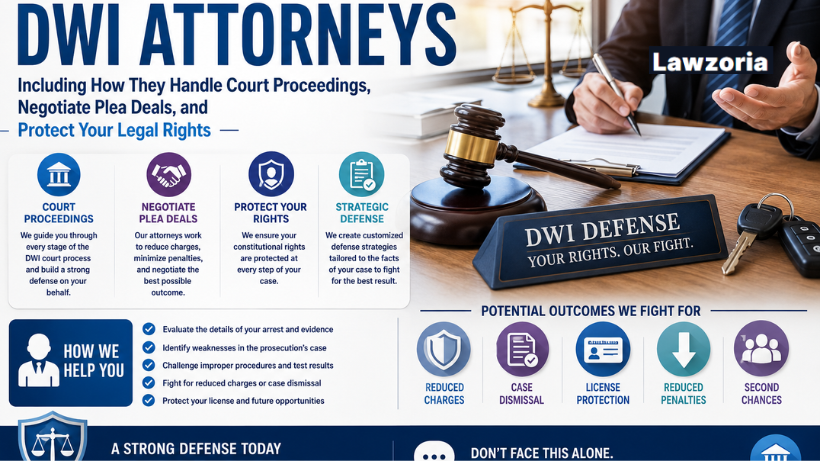
Facing a DWI (Driving While Intoxicated) charge can quickly turn your life upside down. It is not just a traffic matter; in most cases, it is treated as a criminal offense. That means you may face serious consequences such as heavy fines, license suspension, higher insurance costs, probation, or even jail time. In such a stressful situation, DWI attorneys become extremely important.
They guide you through the legal system, protect your rights, and work to reduce the impact of the charges against you. Many people do not fully understand how complex DWI cases are until they face one themselves. The support of a skilled attorney can greatly influence how your case progresses and is resolved.
This article explains in simple terms how DWI attorneys handle court proceedings, negotiate plea deals, and protect your legal rights throughout the case. It also helps you understand the step-by-step legal process after a DWI arrest, the defense strategies commonly used in court, and how experienced attorneys work to minimize penalties such as fines, license suspension, and even potential jail time. Article is a useful companion read here.
DWI Attorneys: Key Legal Aspects Table
| Legal Aspect | Simple Explanation |
|---|---|
| DWI Charges | Driving While Intoxicated cases involving alcohol or drugs. |
| DUI Difference | DUI often refers to impairment; DWI is legal intoxication level. |
| Arrest Process | Police stop, test, arrest, and booking procedure. |
| Arraignment | First court appearance where charges are read. |
| Plea Options | Guilty, not guilty, or no contest choices. |
| Evidence Review | Attorney checks reports, videos, and test results. |
| Breathalyzer Test | Measures alcohol level in a driver’s breath. |
| Field Sobriety Test | Physical tests used by police during stops. |
| Blood Test | Scientific test to confirm alcohol or drug level. |
| License Suspension | Temporary or permanent loss of driving privileges. |
| Court Hearing | Formal legal proceeding before a judge. |
| Trial Process | Full court case if no plea agreement is reached. |
| Plea Bargain | Agreement to reduce charges or penalties. |
| Charge Reduction | Lowering DWI to a lesser offense like reckless driving. |
| Legal Defense | Strategy used to fight or reduce charges. |
| Probable Cause | Legal reason required for police to make a stop. |
| Rights Protection | Ensuring constitutional rights are not violated. |
| Police Report | Official document detailing arrest circumstances. |
| Bodycam Footage | Video evidence from police body cameras. |
| Dashcam Video | Recording from police or vehicle cameras. |
| Court Motions | Requests filed to exclude or challenge evidence. |
| Sentencing | Judge’s final punishment decision. |
| Fines | Monetary penalties imposed by the court. |
| Jail Time | Possible imprisonment for serious offenses. |
| Attorney Role | Legal expert who defends and represents the accused. |
What Do DWI Attorneys Actually Do?
DWI attorneys are legal professionals who specialize in defending individuals charged with driving under the influence of alcohol or drugs. Their job is not only to represent you in court but also to carefully examine every detail of your case to find weaknesses in the prosecution’s evidence.
Their expertise helps them uncover procedural errors and inconsistencies that may strengthen a client’s defense. Whether it is an improper traffic stop, unreliable breath test results, or missing paperwork, an experienced attorney knows how to identify and use these issues in your favor. More importantly, they act as your legal shield, ensuring you are treated fairly at every stage of the process.
How Do DWI Attorneys Handle Court Proceedings?

Court proceedings in DWI cases follow a structured legal process. DWI attorneys guide you through each step to ensure you do not make costly mistakes.
1. Initial Court Appearance (Arraignment)
This is the first stage where charges are formally presented. A DWI attorney will:
- Explain the charges against you.
- Enter a plea (guilty, not guilty, or no contest)
- Request bail or release condition
- Begin preparing your defense strategy.
Most attorneys recommend pleading “not guilty” initially to allow time for case review.
2. Evidence Review and Investigation
After arraignment, your attorney investigates the case. This includes:
- Reviewing police reports
- Checking bodycam or dashcam footage
- Examining breathalyzer or blood test results
- Analyzing field sobriety test procedures
- Identifying procedural errors or rights violations
If evidence was collected improperly, it may be challenged or dismissed.
3. Pre-Trial Motions
DWI attorneys often file legal motions before trial. These may:
- Suppress illegally obtained evidence.
- Challenge the accuracy of test results.
- Request dismissal of charges due to lack of evidence
Strong pre-trial motions can significantly weaken the prosecution’s case.
4. Court Trial (If Needed)
If the case goes to trial, your attorney:
- Cross-examines police officers and witnesses
- Presents evidence in your favor
- Challenges prosecution arguments
- Highlights inconsistencies in the case
The Importance of Plea Deal Negotiations

Not every DWI case goes to trial. Many legal cases are concluded through negotiated plea agreements. This is where the skills of a DWI attorney become especially valuable. A plea deal is an agreement between the defense and the prosecution in which the accused agrees to plead guilty to a lesser charge in exchange for reduced penalties.
However, securing a favorable deal is not simple. It requires strong negotiation skills and a deep understanding of how prosecutors think. A skilled DWI attorney carefully evaluates the strength of the evidence. If the case against you is weak, they may push for reduced charges such as reckless driving instead of DWI.
They may also highlight factors such as a clean criminal record, no prior offenses, or circumstances surrounding the arrest to negotiate lower fines or shorter license suspensions. In many cases, effective negotiation can help avoid jail time entirely. This is one of the biggest reasons why hiring an experienced attorney can make such a significant difference in the outcome of your case.
How Do DWI Attorneys Protect Your Legal Rights?

One of the most important roles of a DWI attorney is ensuring your constitutional rights are not violated.
Protection Against Illegal Stops
Police must have a valid reason to stop your vehicle. Attorneys check whether:
- The stop was legally justified.
- Proper procedures were followed.
If not, evidence may be dismissed.
Protection During Arrest

Attorneys ensure:
- You were read your Miranda rights.
- You were not forced into self-incrimination.
- Arrest procedures followed legal standards.
Protection of Evidence Integrity
DWI attorneys often question:
- Breathalyzer calibration and maintenance records
- Blood test handling procedures
- Chain of custody for evidence
If evidence is unreliable, it can weaken the entire case.
Protection of Fair Trial Rights
Your attorney ensures:
- Fair hearing in court
- No biased procedures
- Proper legal representation throughout the process
Common Defense Strategies Used in DWI Cases
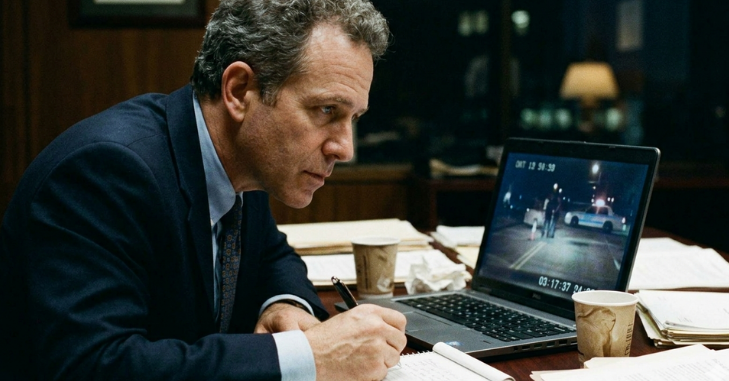
Every DWI case is different, and attorneys often use customized defense strategies based on the situation. In some cases, they may argue that the traffic stop was unlawful. In others, they may question the accuracy of chemical test results or highlight medical conditions that could have influenced the outcome of sobriety tests.
Sometimes, attorneys focus on procedural mistakes made by law enforcement, such as failing to follow proper testing protocols. Other times, they may argue that alcohol levels were below legal limits at the actual time of driving, even if tests later showed higher readings. These strategies are not random. They are based on legal experience, scientific understanding, and careful analysis of case details.
Why Hiring a DWI Attorney Is So Important?

Many people underestimate the seriousness of a DWI charge and try to handle it on their own. However, the legal system is complex, and even small mistakes can lead to harsh penalties. A professional DWI attorney not only reduces your stress but also improves your chances of a better outcome.
They understand court procedures, know how prosecutors build their cases, and can often identify weaknesses that are not obvious to the average person. In many situations, hiring an attorney can mean the difference between a permanent criminal record and a reduced or dismissed charge.
How to Choose the Right DWI Attorney?
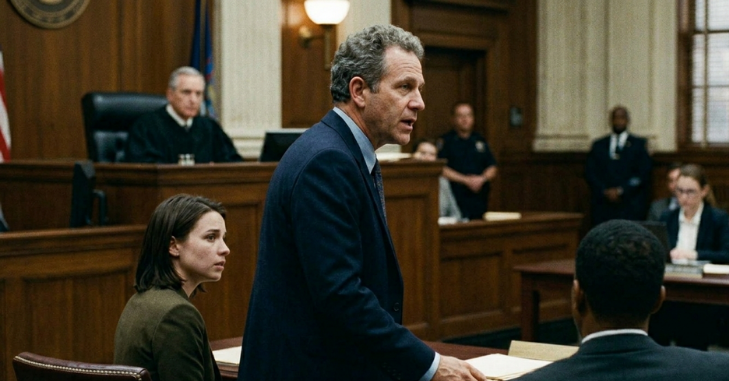
Choosing the right attorney is one of the most important decisions you will make after a DWI arrest. Experience matters the most. An attorney who regularly handles DWI cases will understand local laws and court systems better than a general lawyer.
It is also important to choose someone who communicates clearly and keeps you informed throughout the process. Legal cases can be stressful, and having an attorney who explains things in simple terms can make a big difference. Finally, transparency about fees and legal strategy is essential. A trustworthy attorney will always be clear about what you can expect from your case.
Conclusion
A DWI charge can feel overwhelming, but it does not have to define your future. With the help of experienced DWI attorneys, you gain someone who understands the legal system, protects your rights, and works to reduce the consequences you face.
From handling court proceedings and challenging evidence to negotiating plea deals and safeguarding your legal protections, their role is critical at every stage of the process.
If you or someone you know is facing a DWI charge, getting professional legal help as early as possible can significantly improve the outcome. The right attorney can help you move forward with fewer penalties and a stronger chance of protecting your future.
Apart from that, if you want to know more about The Critical Role a Drug Defense Attorney Plays in Defending Against Drug Possession, Manufacturing, and Trafficking Charges then visit our Criminal Law category.
Frequently Asked Questions (FAQs)
A DWI attorney defends you against drunk driving charges by reviewing evidence, challenging police actions, and representing you in court. They aim to reduce penalties or get charges dismissed whenever possible.
Yes, in some cases charges can be reduced or dismissed if there are legal errors or weak evidence. However, outcomes depend on the facts of the case and quality of defense.
Yes, even a first offense can carry serious penalties, such as fines and license suspension. A lawyer can help reduce the consequences and protect your records.
They negotiate with prosecutors, challenge evidence, and highlight weaknesses in the case. This often leads to reduced charges or lighter sentencing.