Understanding the new law for grandparents’ rights is essential for grandparents who want to maintain a meaningful relationship with their grandchildren during family disputes, divorce, separation, or after the death of a parent. Because there is no single federal law governing grandparents’ rights, each state and countries such as Ireland have their own rules regarding visitation and custody.
This guide explains how grandparents’ rights work in California, Florida, South Carolina, West Virginia, Houston (Texas), Detroit (Michigan), Knoxville (Tennessee), and near Dublin, highlighting eligibility requirements, legal standards, and the factors courts consider when deciding whether visitation or custody is in a child’s best interests.
| State/Location | Overview |
| California | The New Law for Grandparents’ Rights allows visitation petitions under certain legal circumstances. |
| Florida | Grandparent visitation is limited and available only in specific situations defined by state law. |
| South Carolina | Courts may grant visitation if legal requirements are met, and it serves the child’s best interests. |
| West Virginia | Grandparents may petition for visitation when statutory conditions are satisfied. |
| Houston, Texas | Texas law requires grandparents to meet a high legal standard before visitation may be granted. |
| Detroit, Michigan | Grandparents may seek visitation in qualifying family situations, including divorce or the death of a parent. |
| Knoxville, Tennessee | Visitation is available only when certain legal conditions exist. |
| Dublin, Ireland | Grandparents can apply to the court for access to grandchildren, but there are no automatic visitation rights. |
Understanding the New Law for Grandparents’ Rights
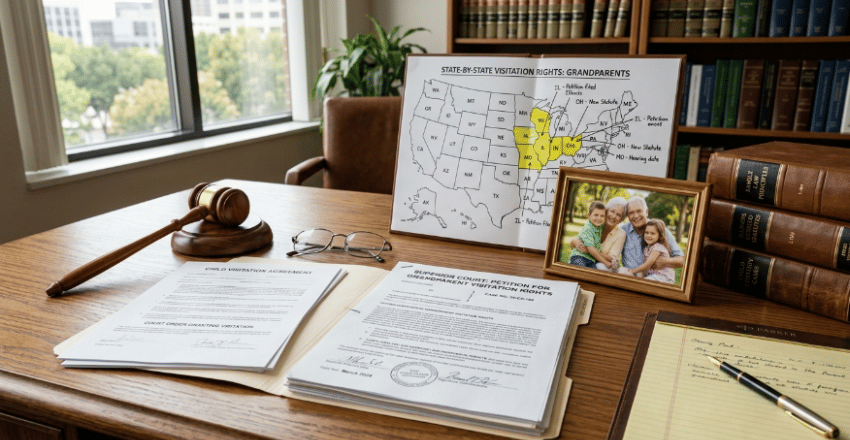
There is no single nationwide new law for grandparents’ rights. Instead, each state has its own laws governing when grandparents may request visitation or custody. Although the legal requirements vary, courts generally focus on protecting the child’s best interests while respecting the rights of parents.
Courts commonly consider:
- The child’s best interests
- The relationship between the grandparent and grandchild
- The wishes of the child’s parents
- The child’s emotional and physical well-being
- Whether denying visitation would harm the child
California Grandparents’ Rights
California allows grandparents to petition the court for visitation under limited circumstances, particularly when the child’s parents are divorced, legally separated, or another statutory exception applies. However, visitation is not automatically granted, and courts carefully balance parents’ constitutional rights with the child’s interest in maintaining a meaningful relationship with their grandparents.
When deciding a case, judges evaluate the strength of the existing relationship between the grandparent and grandchild and determine whether visitation would serve the child’s best interests.
In general, when married parents are living together and agree that visitation should not occur, they have stronger legal authority to oppose a grandparent’s request unless a recognized legal exception applies.
Florida Grandparents’ Rights

Florida has some of the most restrictive grandparents’ rights laws in the United States. Courts usually defer to the decisions of fit parents unless special circumstances exist.
Key points
- Grandparents cannot automatically request visitation.
- Only certain legal situations qualify.
- Courts strongly protect parental decision-making.
- The child’s welfare remains the highest priority.
South Carolina Grandparents’ Rights
South Carolina allows grandparents to seek court-ordered visitation only when specific legal conditions are met. Situations such as the divorce of the child’s parents or the death of a parent may make a grandparent eligible to file a petition. Even in these circumstances, judges carefully balance parents’ rights with the child’s welfare before making a decision.
The court considers whether visitation is in the child’s best interests, evaluates the strength of the existing relationship between the grandparent and grandchild, and reviews the unique facts of each case. Because every family situation is different, each petition is decided on an individual basis rather than through automatic approval.
West Virginia Grandparents’ Rights
West Virginia law allows grandparents to request visitation when statutory requirements are met, and the arrangement benefits the child.
Key points
- Courts focus on the child’s welfare.
- Existing family relationships are considered.
- Grandparents must meet state legal requirements.
- Visitation is determined on a case-by-case basis.
Houston, Texas, Grandparents’ Rights
Houston follows Texas state law, which sets a high legal standard for grandparents seeking visitation or custody.
Key points
- Grandparents must meet strict legal requirements.
- Courts give significant weight to parental rights.
- Certain family situations may allow visitation petitions.
- Evidence supporting the child’s best interests is essential.
Detroit, Michigan Grandparents’ Rights

In Detroit, Michigan, grandparents may have the opportunity to request visitation depending on the family’s circumstances and Michigan law. Common situations that may allow a grandparent to file a petition include the divorce of the child’s parents or the death of a parent.
When reviewing a case, courts examine the existing relationship between the grandparent and grandchild and determine whether visitation would be in the child’s best interests. Judges also consider each family’s unique circumstances before making a decision, ensuring that any visitation order supports the child’s overall well-being while respecting parental rights.
Knoxville, Tennessee: Grandparents’ Rights
Tennessee permits grandparent visitation only after certain legal events occur and when the court determines that continued contact benefits the child.
Key points
- Specific legal circumstances must exist.
- Courts may require proof that denying visitation could harm the child.
- The child’s welfare is the court’s primary concern.
- Every case depends on its individual facts.
Grandparents’ Rights Near Dublin
In Dublin and throughout Ireland, grandparents do not have automatic legal rights to visit their grandchildren. However, they can apply to the court for an access order if they believe continued contact is in the child’s best interests.
When considering an application, the court carefully examines the child’s welfare, the nature of the existing relationship between the grandparent and grandchild, and the overall family circumstances. Court approval is required before visitation can be granted, and every decision is made with the child’s well-being as the highest priority.
Tips Before Filing for Grandparents’ Rights

Before starting legal proceedings, consider the following:
- Try mediation before going to court.
- Maintain records of your relationship with your grandchild.
- Learn your state’s grandparents’ rights laws.
- Gather documents that support your case.
- Consult an experienced family law attorney.
- Keep the child’s best interests as your primary focus.
Conclusion
The New Law for Grandparents’ Rights differs from one jurisdiction to another, making it essential to understand the laws where you live before seeking visitation or custody. Whether you’re in California, Florida, South Carolina, West Virginia, Houston, Texas, Detroit, Michigan, Knoxville, Tennessee, or near Dublin, courts generally place the child’s best interests first while respecting parents’ legal rights.
By comparing the New Law for Grandparents’ Rights in your area, exploring mediation, and consulting a qualified family law attorney when needed, you can make informed decisions and improve your chances of maintaining a meaningful relationship with your grandchild.
Want to know about Supervised Visitation: All You Need to Know About Purpose, Types, Role of the Supervisor, Legal Framework, And Much More Check out our Family Law category.
Frequently Asked Questions
If you’re not allowed to see your grandchildren, try communication or mediation first. If that doesn’t work, consult a family law attorney to determine whether you can request court-ordered visitation under your state’s grandparents’ rights laws.
Grandparents should love and spoil their children, but they should also always abide by their parents’ regulations. Grandparents should value their special relationship with their grandchildren while deferring to the parents on all significant choices pertaining to discipline, safety, health, and fundamental family customs.
Yes. In certain situations involving abuse, neglect, incapacity, or the death of a parent, grandparents may petition for custody or guardianship.
Grandparents have no automatic legal right to be involved in their grandchildren’s lives. In other words, grandparents.
Grandparents do not automatically have the right to communicate with their grandchildren, despite common belief. They may, however, use the family court system to request a Child Arrangements Order.